
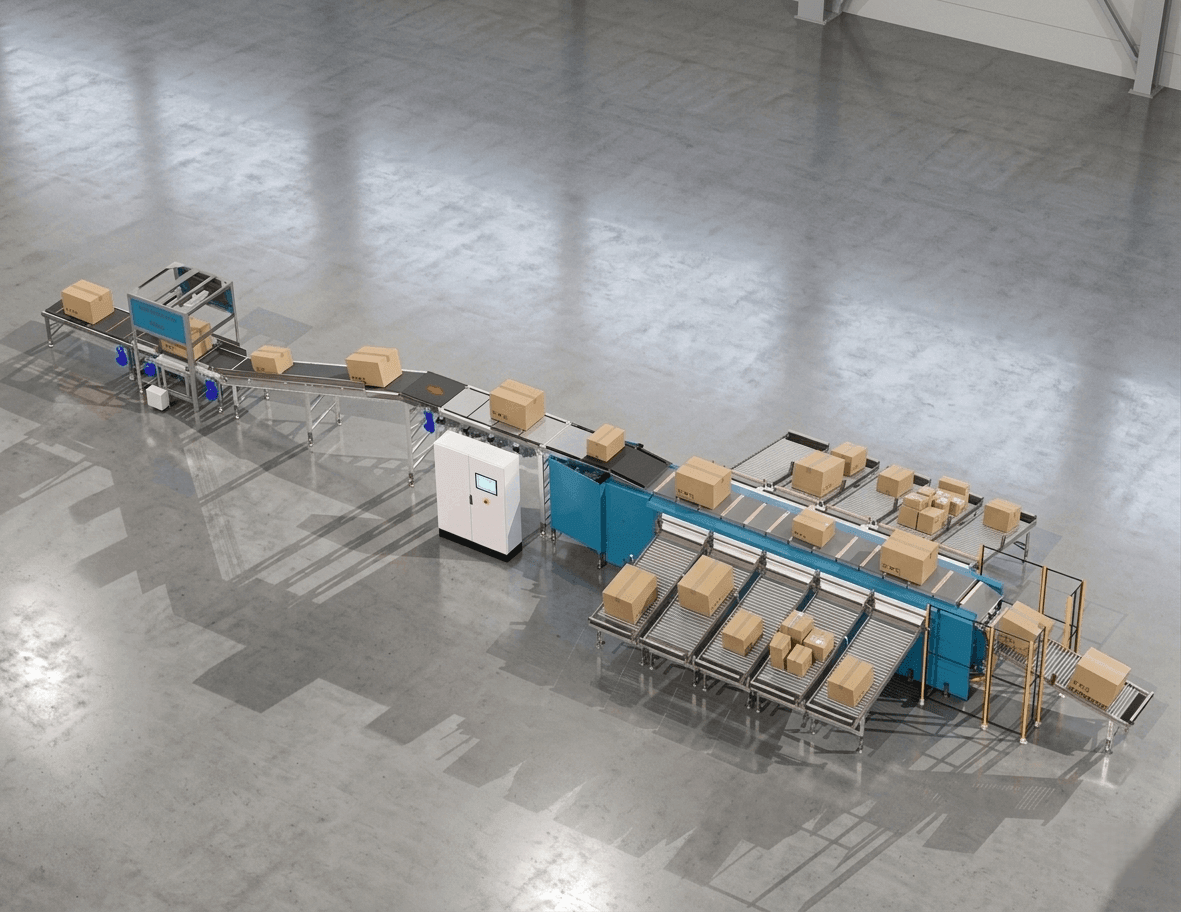
The right parcel sorter for your volume, products and destinations
From compact modular sorters to European-manufactured Vertical Cross Belt systems, CoreConvey designs complete parcel-sortation solutions around your parcel profile, throughput, layout and downstream process.
Compare the technologies, understand the wider system and identify the strongest technical and commercial starting point for your operation.
The fastest sorter is not automatically the right sorter
Sorter selection depends on the complete parcel flow. Throughput matters, but parcel characteristics, destination design, available space and the surrounding process can change the answer.
Throughput and peak profile
Average volume, peak items per hour, peak duration, induction quality and expected growth all affect the required technology.
Parcel profile
Minimum and maximum dimensions, weight, packaging, stability, fragility and barcode presentation must be understood.
Destinations and outputs
The number of sort points, output format, accumulation, changeover frequency and onward movement shape the layout.
Space and process
Footprint, clear height, operator access, induction, exception handling and the processes before and after sorting all matter.
Parcel-sorter options for different volumes and operations
CoreConvey can combine the sorter, infeed, data capture, outputs, controls and software into one coordinated system.

CoreCompact
High destination density in a compact footprint for moderate throughput, changing routes and phased expansion.

Push sorter
A straightforward mechanical or electric pusher moves consistent parcels from the main line to a selected destination.
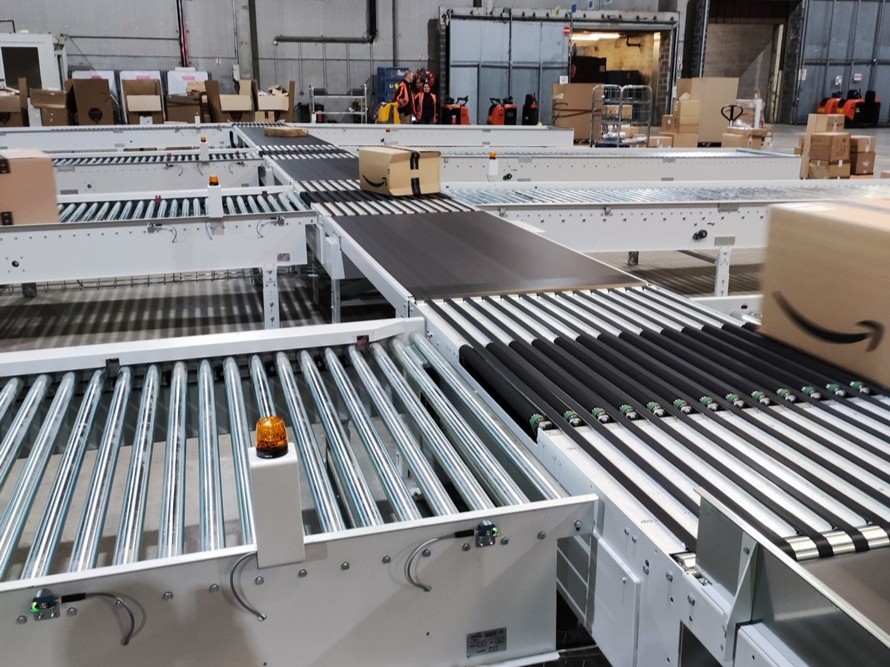
Pop-up sorter
Rising rollers or belts transfer parcels to the left or right, providing greater destination and layout flexibility.

Swivel-wheel sorter
Powered modules rotate to steer parcels smoothly towards either side of the main transport line.
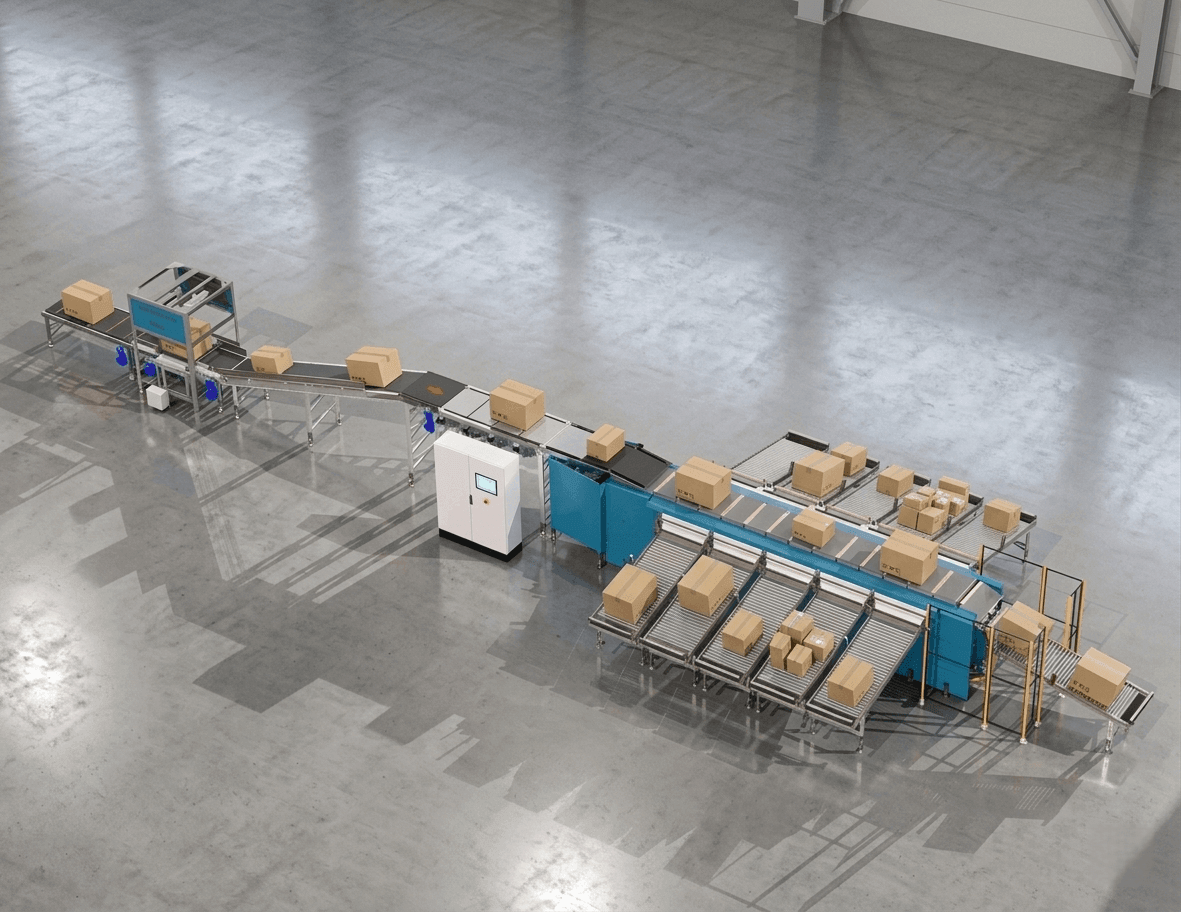
Vertical Cross Belt Sorter
High-throughput, accurate parcel sortation with a compact vertical architecture, modular expansion and broad multi-format handling.
The Vertical Cross Belt combines individually controlled carrier belts with synchronised loading and discharge. It is designed for demanding operations with sustained high volume, many destinations and mixed parcel profiles.
- Designed for high-performance applications beyond 10,000 items per hour
- Handles parcels from 100 g to 50 kg
- Supports cartons, polybags and defined irregular or oversized items
- Products can span two or three synchronised carriers
- Top or side induction options
- Modular line extension for future growth
- Sliding-contact or contactless power-transfer options
- Integrated FlowSync controls, analytics and system connectivity
Key system data
The specification provides an initial qualification guide. Final throughput, length, destinations and performance depend on the parcel mix and complete system design.
| Specification | Vertical Cross Belt |
|---|---|
| Application position | High-performance parcel and item sortation |
| Throughput capability | Designed for applications beyond 10,000 items per hour |
| Minimum parcel dimensions | 150 × 100 × 5 mm |
| Maximum parcel dimensions | 1,200 × 800 × 600 mm |
| Parcel weight | 100 g to 50 kg |
| Maximum single-carrier weight | 25 kg |
| Parcel types | Cartons and polybags; other defined item types subject to assessment |
| Linear speed | Up to 2.2 m/s |
| Carrier width | 800 mm |
| Carrier belt width | 400 mm |
| Carrier pitch | 482 mm |
| Induction | Top or side induction |
| Minimum ground clearance | 1,950 mm |
| Power options | Sliding contact or contactless transfer with supercapacitors |
| Communication | Industrial Wi-Fi communication and Profinet-connected drive control |
| Software and integration | FlowSync controls with WMS, ERP and cloud-platform data exchange |
The contactless supercapacitor power option can reduce energy consumption by up to 50% compared with traditional power-transfer technologies, depending on configuration and operating conditions.
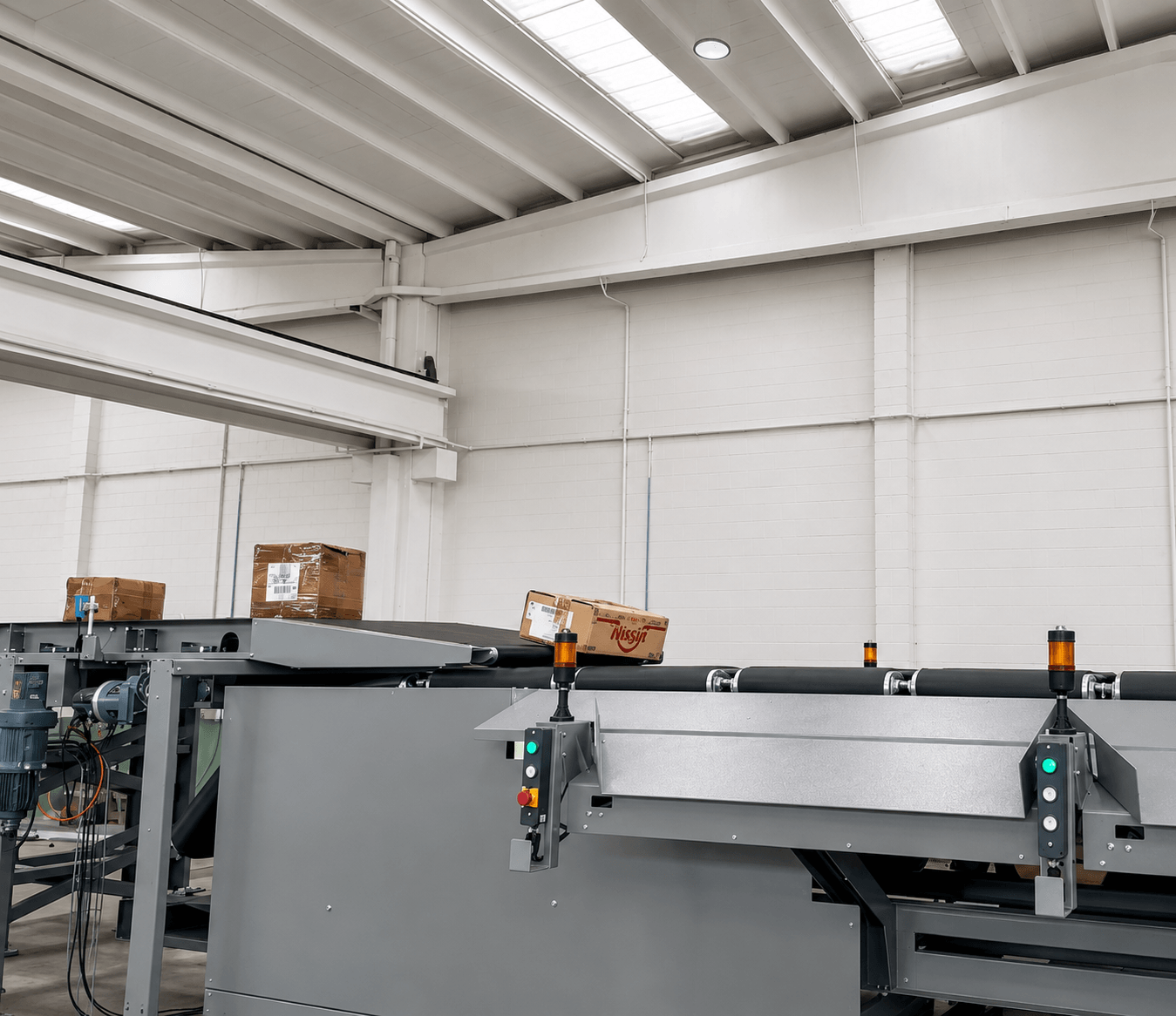
Synchronised top loading places each item correctly
The top-loading conveyors are synchronised with carrier movement, helping to place items centrally and consistently before sorting.
Longer products can occupy two or three adjacent carriers. The control software recognises the load configuration and coordinates the carriers as one sorting unit during discharge.
Multi-format flexibility
The system is designed to handle light polybags, cartons, fragile items and defined oversized products without relying on one standard tray format.
A complete parcel-sortation system
The sorter is only one part of the result. CoreConvey can design the equipment, controls and interfaces around the complete parcel journey.
The system must create stable spacing, identify the parcel, obtain the right routing instruction, complete the physical sort and provide a defined process for exceptions and full destinations.
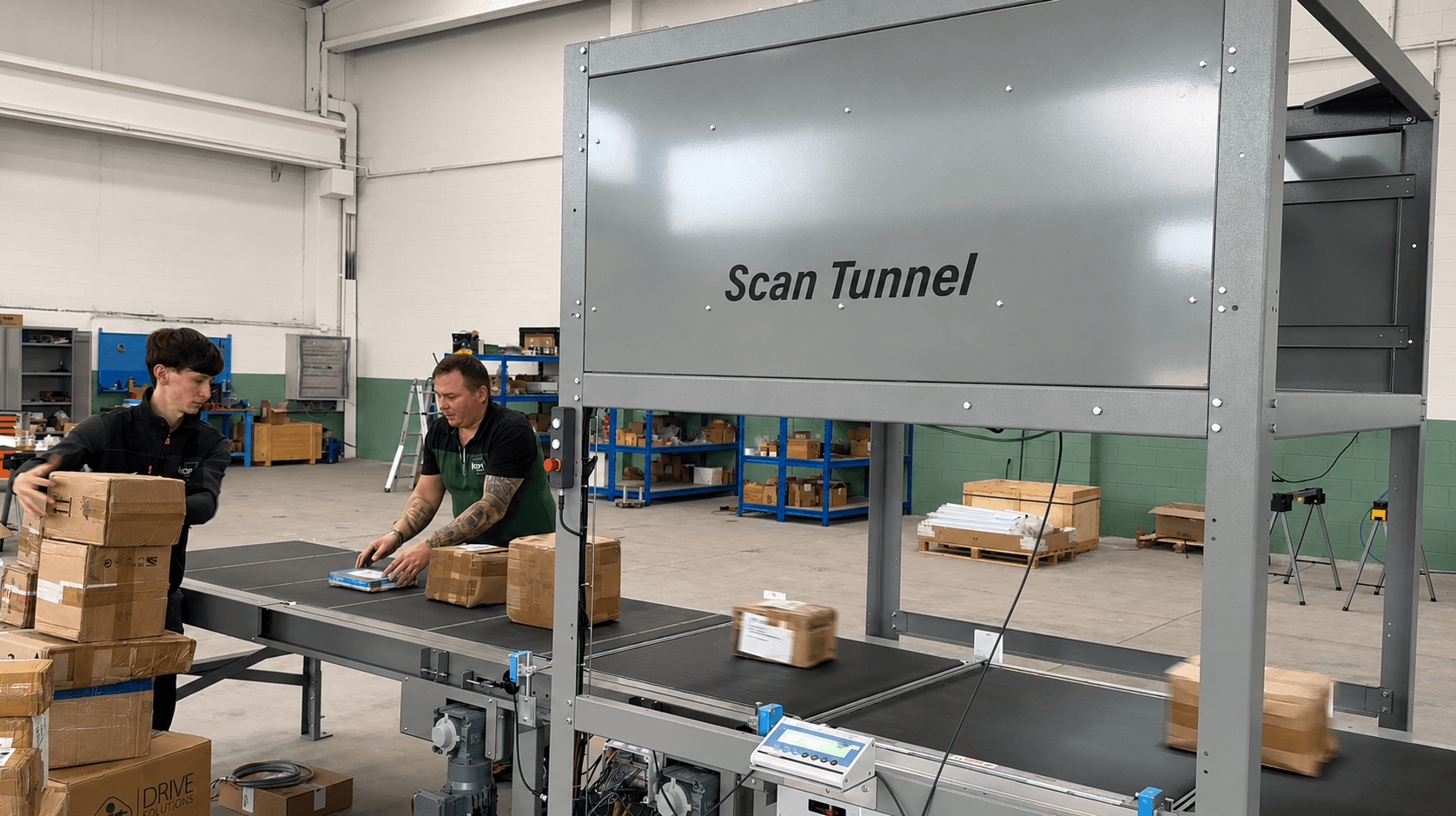
Five common starting points
Use this table as an initial guide. Final selection requires analysis of representative parcel data, peaks, destinations, infeed quality and the full layout.
| Technology | Indicative throughput | Parcel profile | Footprint | Best suited to |
|---|---|---|---|---|
| CoreCompact | Up to 1,500 items/hour | Packages and small items within the approved envelope | Very compact | Many destinations in limited space |
| Push sorter | Up to 2,000 items/hour | Consistent cartons and parcels | Compact | Simple, economical single-side diversion |
| Pop-up sorter | Up to 3,500; potentially 5,000 items/hour | Stable flat-bottomed cartons and parcels | Moderate | Mid-throughput left/right diversion |
| Swivel-wheel sorter | Typically 5,000; up to 6,000 items/hour | Suitable cartons and parcels requiring controlled steering | Moderate | Fast, precise electric bilateral routing |
| Vertical Cross Belt | 10,000+ items/hour capability | Broad mixed profile from 100 g to 50 kg | Space-efficient vertical architecture | High-performance hubs, many destinations and future growth |
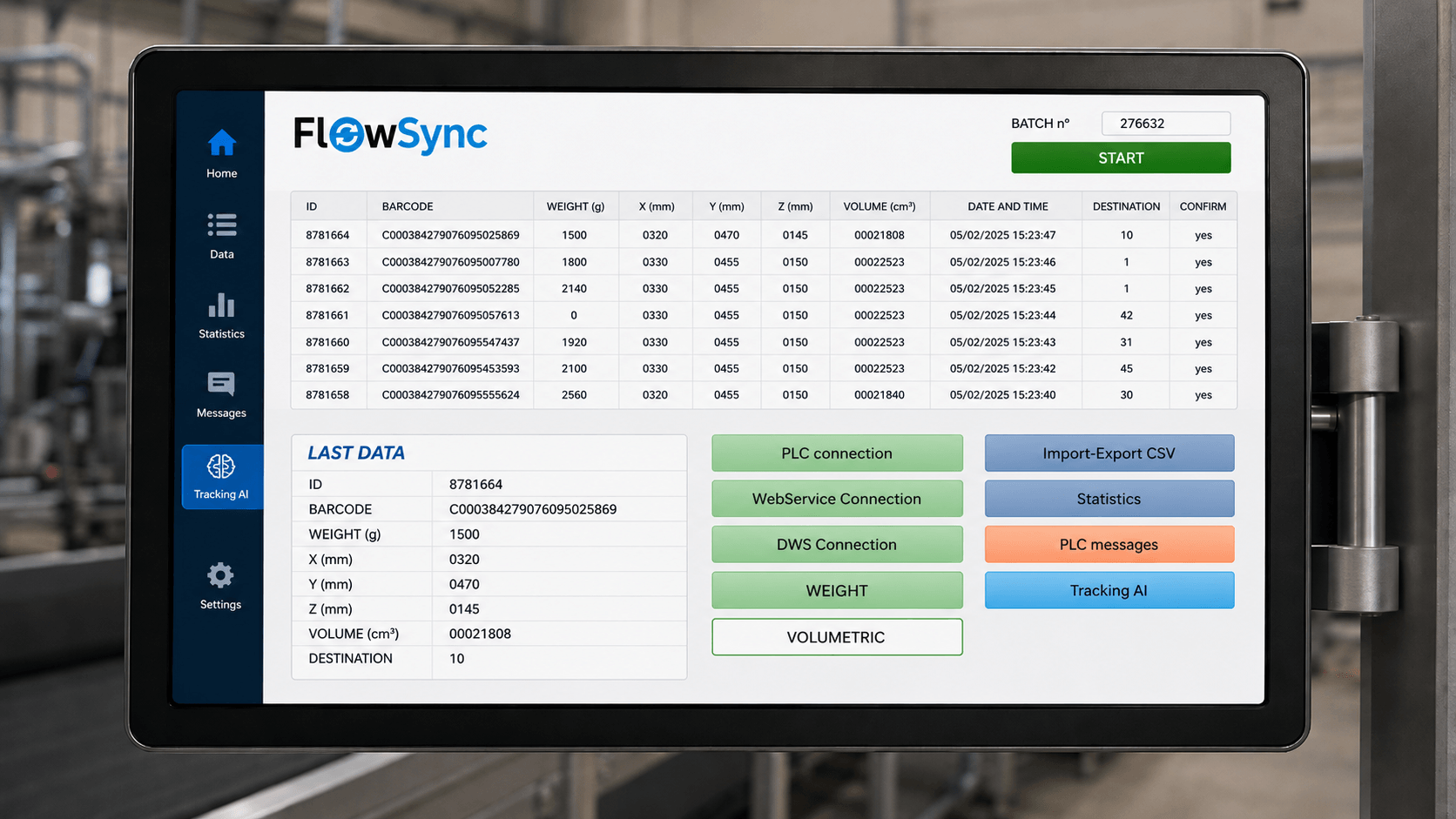
FlowSync coordinates the complete sorting process
FlowSync connects parcel identity, destination instructions, carrier movement, divert points, exceptions and performance data within one control environment.
- Real-time carrier and divert control
- Parcel tracking through the system
- Live operational dashboards
- Performance analytics and reporting
- Destination and routing management
- Exception and alarm visibility
- Two-way exchange with WMS, ERP and cloud platforms
- Coordination of induction, sorter and output equipment
Parcel sortation across logistics and distribution
The technology and layout should reflect the real product mix, operating model and destination structure.
Parcel and postal hubs
High-destination routing for regional, national and cross-border parcel flows.
E-commerce fulfilment
Sort packed orders by carrier, service, route, cut-off or dispatch destination.
Third-party logistics
Separate items by customer, service level, route or downstream process.
Retail distribution
Route cartons, parcels and store orders by branch, region or delivery run.
Returns and reverse logistics
Sort returned items by customer, inspection route, product group or next action.
Mixed-item distribution
Handle cartons, polybags, garments, media products and defined bulky items.
When is the Vertical Cross Belt the strongest choice?
The flagship system is designed for demanding applications, but smaller operations may achieve a better commercial result with a simpler technology.
A strong fit where:
- Peak throughput is sustained and demanding
- There are many sort destinations
- Parcel formats and weights vary significantly
- Floor-space efficiency matters
- Future line extension is expected
- High accuracy and traceability are critical
- Lifecycle energy and maintenance costs matter
A simpler sorter may be better where:
- Volumes remain relatively low
- Only a few destinations are required
- Single-side diversion is sufficient
- The parcel profile is highly consistent
- A push, pop-up or swivel solution meets the need
- The additional capacity cannot yet be justified
What information helps us assess a parcel-sortation project?
Representative parcel data and peak information allow us to compare the technologies on a like-for-like basis and avoid expensive assumptions.
- Average parcels per hour
- Peak parcels per hour and duration
- Minimum and maximum dimensions
- Minimum and maximum weight
- Packaging and parcel types
- Number of destinations
- Destination change frequency
- Required output format
- Barcode type and position
- Existing WMS, WCS or ERP
- Available floor space and height
- Expected growth over 3–5 years
Support throughout the parcel-sortation project
CoreConvey coordinates the mechanical equipment, scanning, controls, software integration and project delivery needed to turn the concept into a working system.
Understand and design
We review parcels, volumes, destinations, induction, layout, output handling, controls and operational constraints before developing the concept.
Install and integrate
We coordinate equipment delivery, conveyors, scanning, controls, software interfaces, installation, testing and commissioning.
Support and develop
Once operational, we can assist with troubleshooting, maintenance planning, destination changes, software adjustments and future expansion.
Parcel-sortation FAQs
Which parcel-sorter technology is right for our operation?
The answer depends on average and peak throughput, parcel profile, destination count, output design, available space, integration requirements and expected growth. Representative data should be assessed before final selection.
When does a Vertical Cross Belt Sorter become worthwhile?
It becomes particularly relevant where there are sustained high volumes, many destinations, a broad parcel mix, demanding accuracy requirements or a need for substantial future scalability.
What throughput can the Vertical Cross Belt achieve?
The system is designed for high-performance applications beyond 10,000 items per hour. Final capacity depends on sorter length, carrier loading, induction quality, parcel mix, output design and control logic.
Which parcels can the Vertical Cross Belt handle?
The stated parcel range is from 150 × 100 × 5 mm to 1,200 × 800 × 600 mm and from 100 g to 50 kg. Boxes and polybags are standard profiles, while other item types should be assessed using representative samples.
Can oversized parcels span more than one carrier?
Yes. Defined long items can occupy two or three adjacent carriers. The control software recognises the configuration and synchronises the carriers during discharge.
What is the difference between vertical and horizontal cross-belt sorters?
Both use individually controlled carrier belts. A vertical design stacks the return path within a more compact architecture, helping to reduce the required footprint while retaining high-performance sortation.
Can the line be extended later?
Yes. The modular architecture allows additional line length and destinations to be planned as part of a phased growth strategy.
Can the system connect to our WMS or ERP?
Yes. FlowSync and the wider controls architecture can exchange parcel, destination, status and performance data with WMS, ERP and cloud platforms.
Which induction methods are available?
The Vertical Cross Belt supports top or side induction. The selected design depends on parcel presentation, required capacity, available space and the upstream conveyor process.
How are unreadable or unmatched parcels handled?
The complete system should include a defined exception route or manual-review process for unreadable, unmatched, oversized or otherwise unsuitable parcels.
Is the Vertical Cross Belt manufactured in Europe?
Yes. The CoreConvey Vertical Cross Belt solution is fully manufactured in Europe.
Can CoreConvey supply and commission the complete system?
Yes. A project can include conveyors, singulation, scanning, weighing, dimensioning, sorter equipment, controls, software integration, outputs, installation, testing, commissioning and ongoing support.
Let’s identify the right sorter for your parcel flow
Send us your parcel profile, average and peak volumes, required destinations and available layout. We will compare the technologies, identify any missing information and recommend a practical next step.


