

Warehouse automation for 3PL operations
Build flexible fulfilment capacity across multiple customers, contracts and service levels without duplicating every process.
CoreConvey designs and integrates conveyors, parcel sortation, AMRs, scanning and control systems for third-party logistics operations across Europe and the UK.
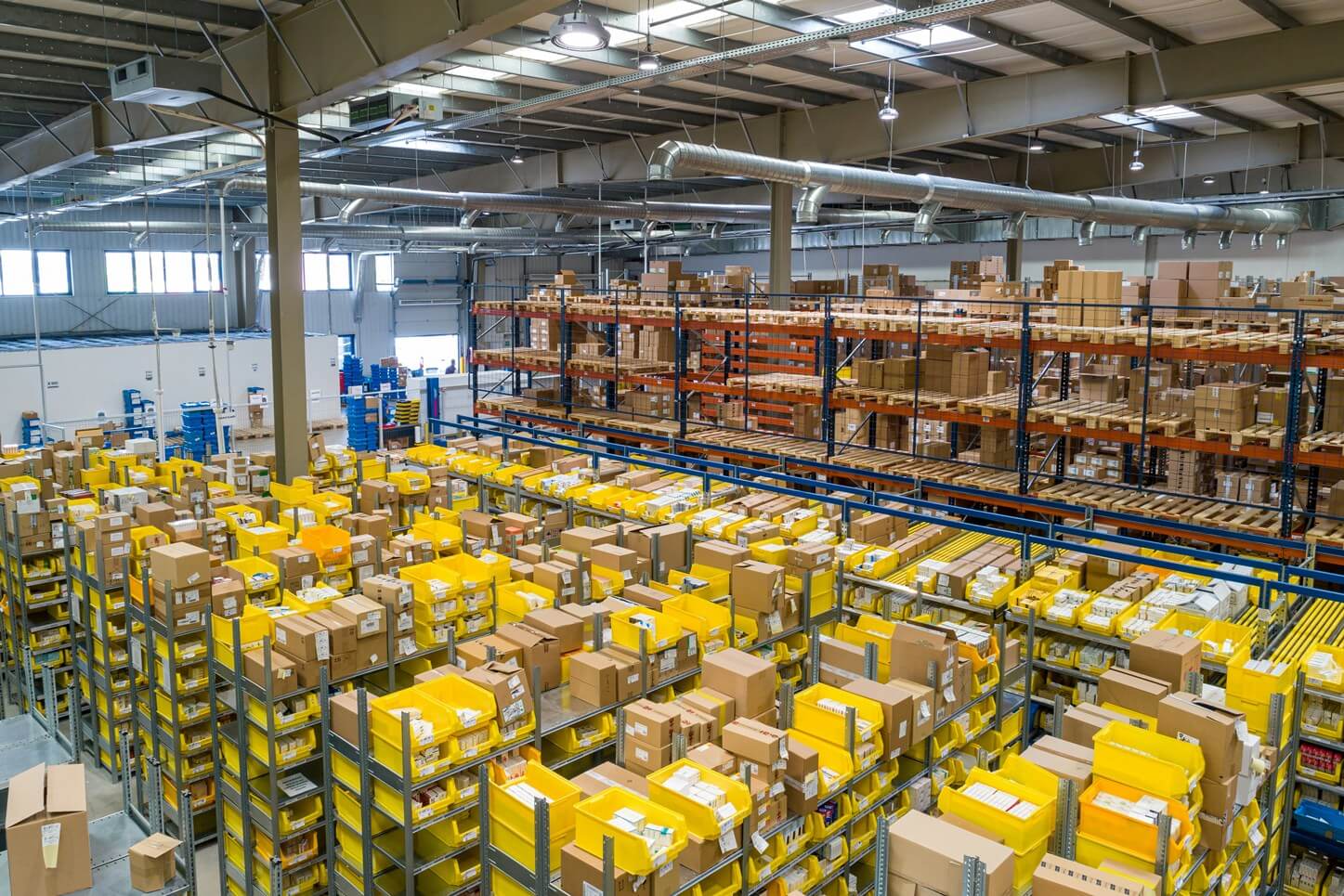
When every customer needs a different operation
A 3PL warehouse has to be standardised enough to run efficiently and flexible enough to honour different contracts.
Clients arrive with different stock profiles, cut-off times, carriers, packaging rules, reporting needs and peak periods. Without shared automation and clear control logic, every new contract can add manual work, duplicated equipment, training and exceptions.
Different client rules
Orders may follow different packing, labelling, carrier and dispatch requirements inside the same building.
Peaks do not align
Promotions, seasonal demand and daily cut-offs create changing pressure across shared resources.
Shared resources become congested
People, packing stations, staging areas and dispatch lanes compete for capacity at the wrong time.
New contracts take too long to onboard
Every new customer risks becoming another standalone process rather than part of a scalable platform.
Automation across the 3PL workflow
The strongest design shares the physical infrastructure while applying the correct data, rules and reporting to every customer flow.
What CoreConvey can automate
Equipment is selected around the combined operation, then configured to support different customers, workflows and growth scenarios.
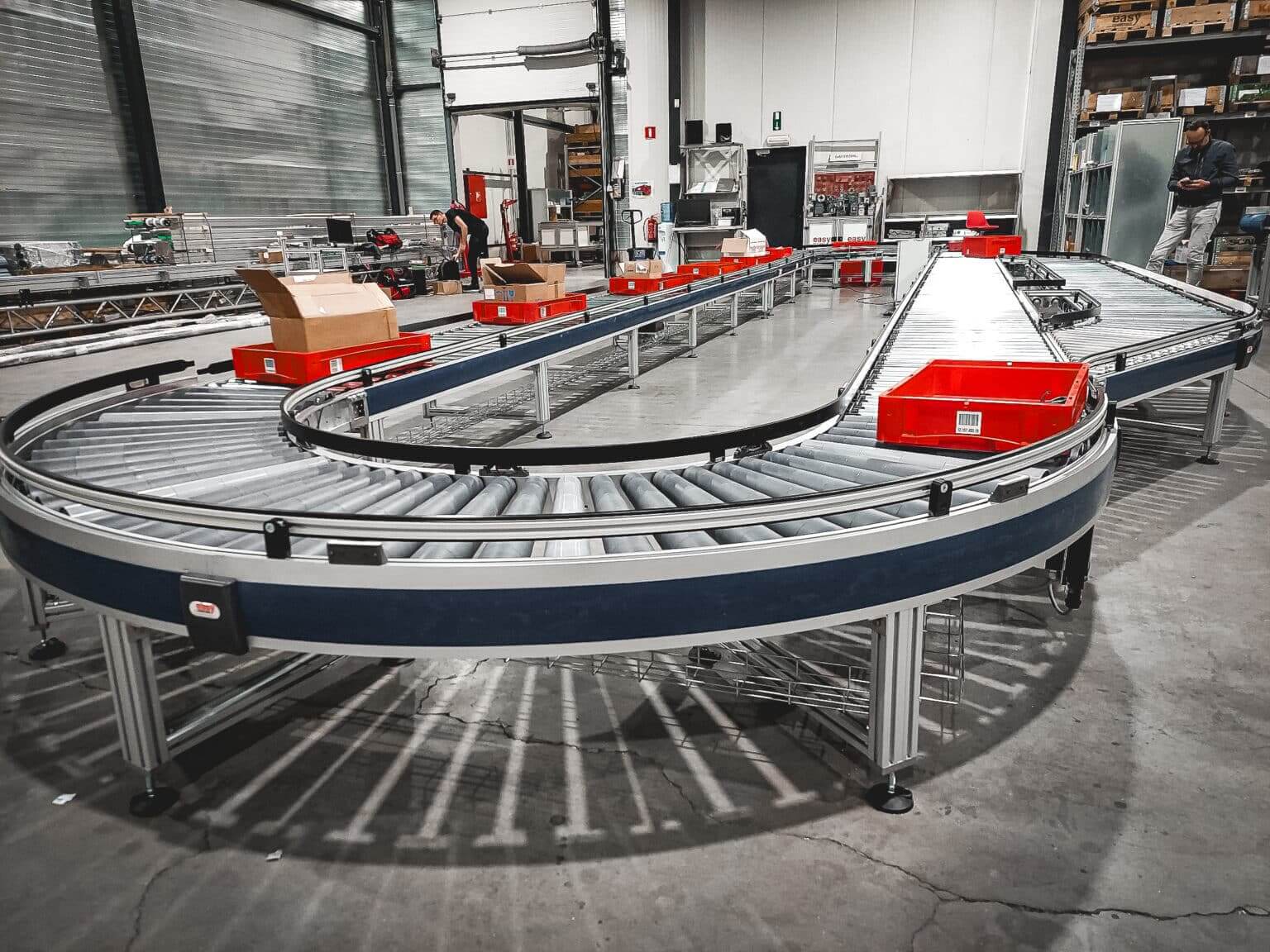
Create a shared transport backbone
Connect receiving, picking, packing and dispatch while allowing client-specific branches and destinations.
Explore conveyor systems →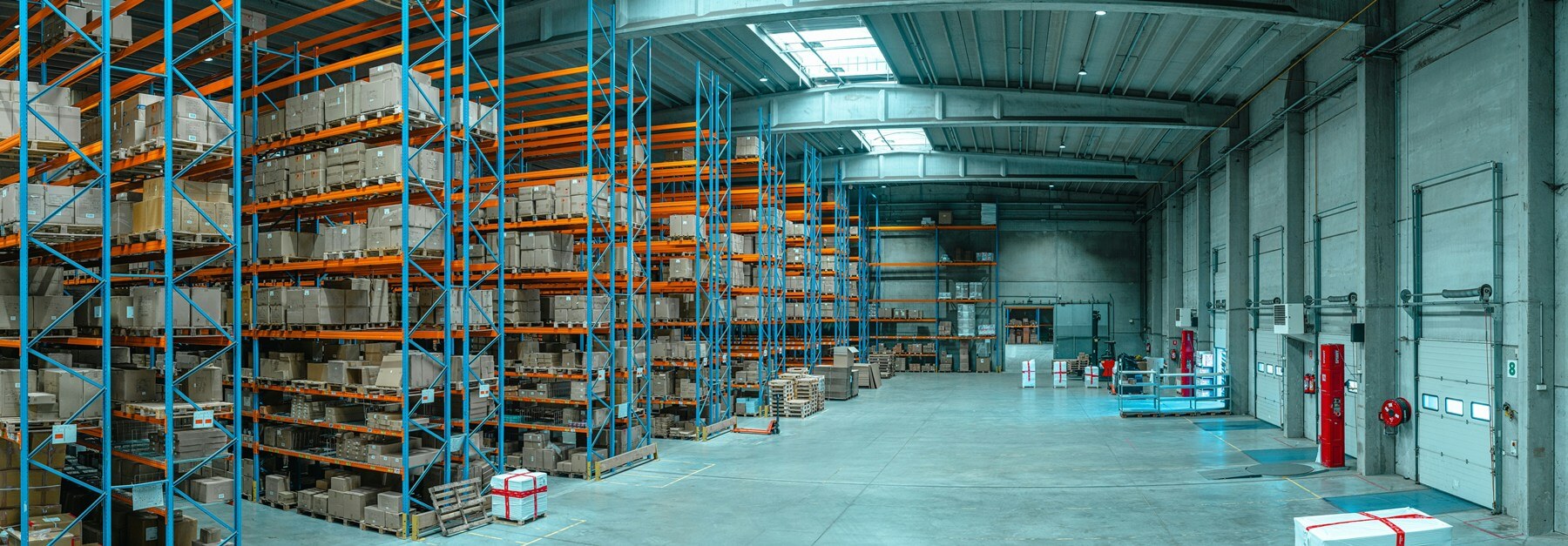
Apply the right process to every order
WCS logic can use customer, priority, service level and order data to control routing through shared equipment.
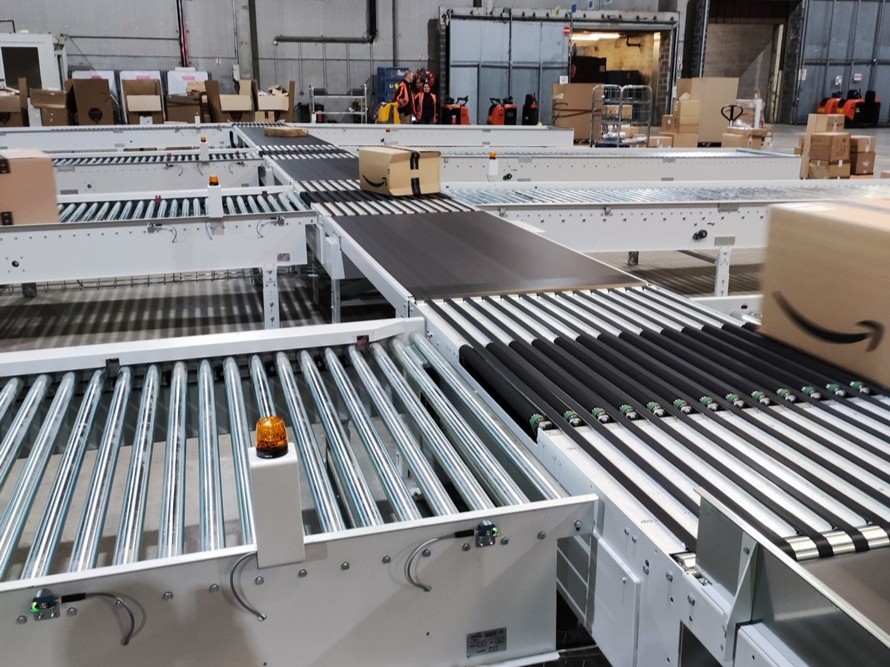
Sort by customer, carrier or route
Route packed orders to the correct carrier, service, store, depot, route or final destination.
Explore parcel sortation →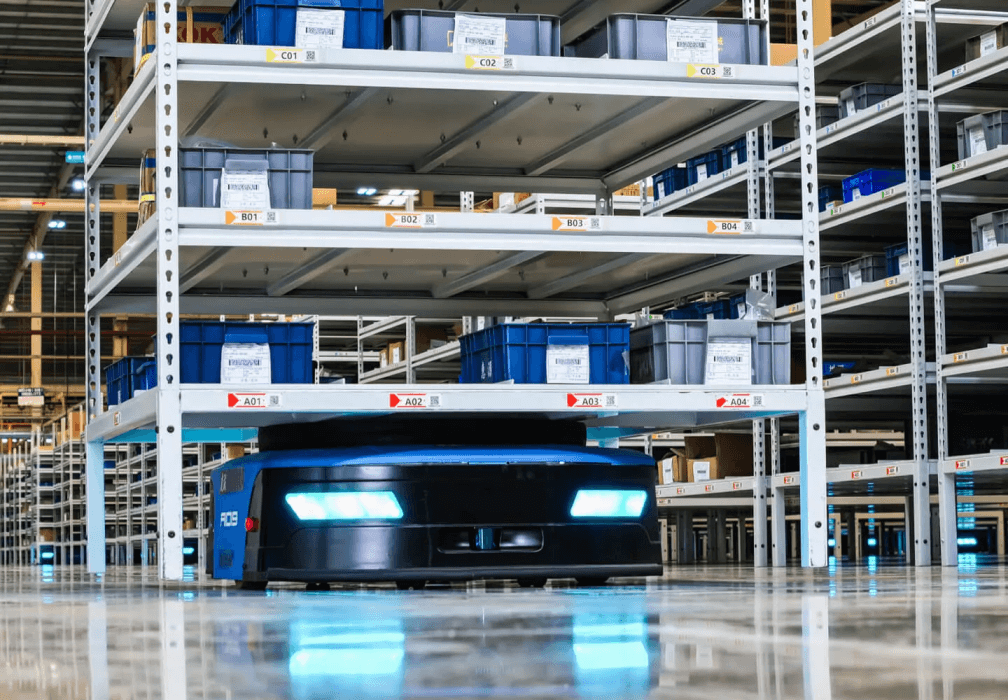
Retain flexibility between fixed zones
AMRs can move totes, racks, cartons or pallets where routes and customer requirements change more frequently.
Explore robotics and AMRs →
Add many destinations in a compact footprint
Create granular customer, carrier, route or depot-level outputs without installing a conventional large sorter.
Discover CoreCompact →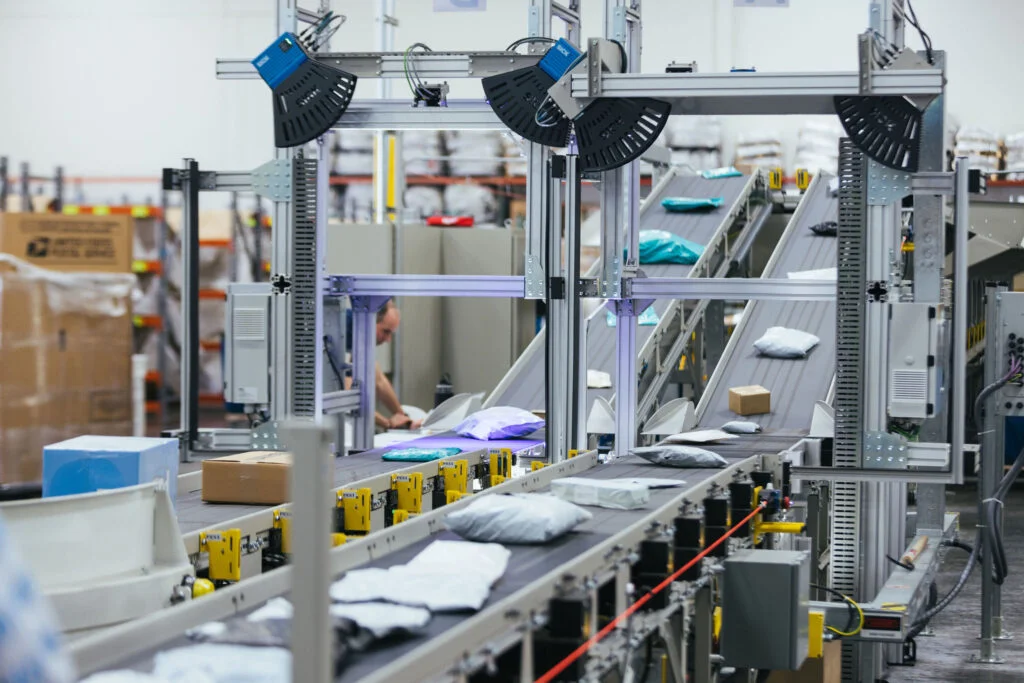
Verify ownership, identity and routing
Barcode reading, weighing, dimensioning and image capture provide control points across shared processes.
One shared automation layer. Different rules for every customer.
Physical equipment can be shared without forcing every client into the same process.
CoreConvey connects conveyors, scanners, sorters and AMRs with warehouse and customer data. The WCS interprets the relevant order, client, service and routing rules, coordinates equipment activity and returns status, exception and reporting information.
Built around the economics of a 3PL operation
Onboard new contracts faster
Reuse shared infrastructure and configure new routing, scanning and reporting rules instead of rebuilding every process.
Increase shared asset utilisation
Use conveyors, scanners, sorters and workstations across several contracts rather than duplicating underused equipment.
Protect customer service levels
Apply controlled routing, verification and exception handling to reduce missed cut-offs, misroutes and rework.
Reduce cost per order or parcel
Remove repeated handling, manual staging, unnecessary walking and avoidable sorting labour.
Manage mixed peak periods
Use shared capacity, buffers and prioritisation logic to respond when several customers peak at the same time.
Scale without starting again
Add destinations, client zones, AMR routes and software functions as contracts and volumes change.
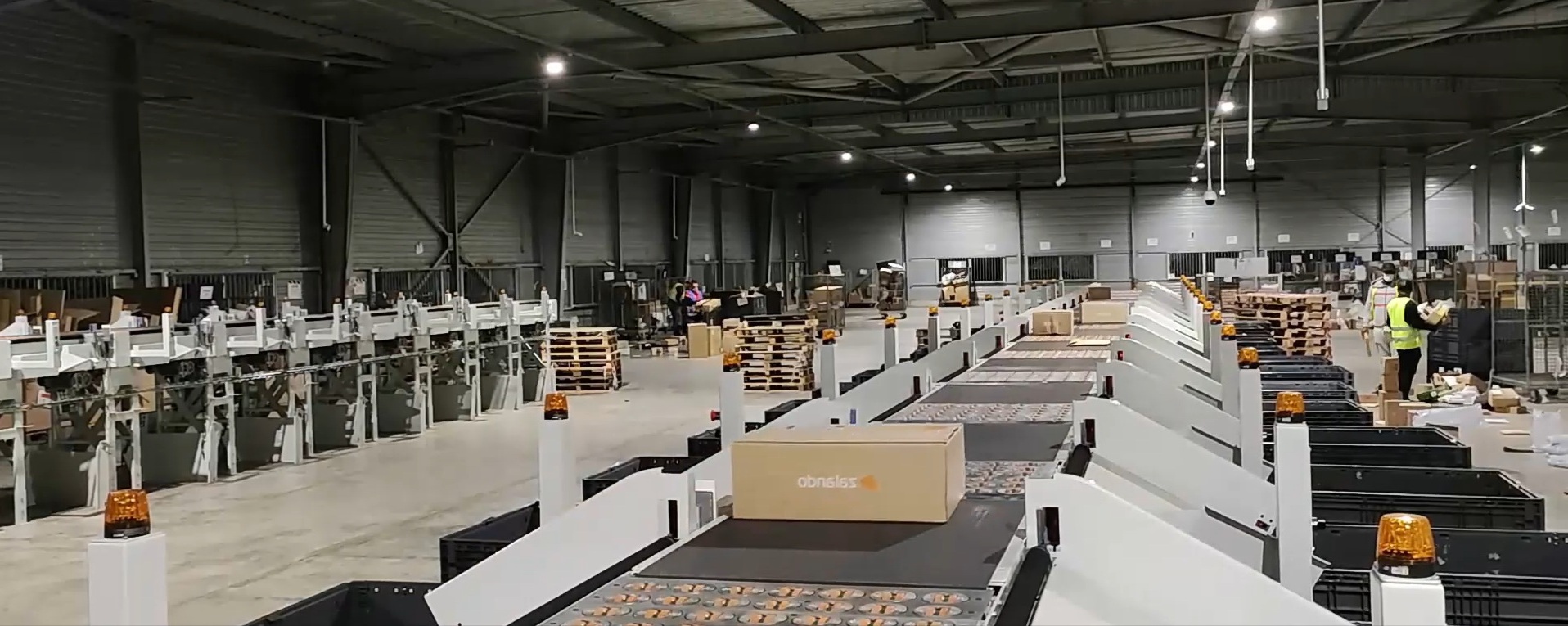
Need many customer, carrier or route destinations?
Outbound complexity can grow faster than parcel volume. One customer may require several carriers, another store-level routes and another depot, cage or delivery-zone separation. CoreConvey can compare compact and conventional sortation technologies against the real destination count, parcel profile, throughput and available space.
Common 3PL warehouse automation projects
The right first project depends on which shared process is limiting client service, capacity or profitability.
Connect common processes without losing client control
Use shared receiving, transport, consolidation, packing and dispatch infrastructure while routing each order according to its customer rules.
- Multi-client warehouse flow
- Shared packing and transport
- Controlled buffers and priorities
Replace manual staging with live parcel routing
Scan and sort packed orders by client, carrier, service, route, store, depot or final destination.
- Complex carrier matrices
- Store and depot routing
- Route-level dispatch outputs
Add new workflows without rebuilding the whole operation
Use configurable routing, mobile robots and modular zones to support new contracts, temporary peaks and changing layouts.
- New customer zones
- Flexible AMR connections
- Phased capacity expansion
Build a shared platform, then add customer-specific capability.
The goal is not to build a separate automated warehouse for every contract.
Start with the processes that can be shared, then add the branches, rules, destinations and flexible connections required by individual customers.
Automate the shared high-volume flow
Target common transport, verification, packing infeed or outbound handling that benefits several contracts.
Add customer-specific logic and branches
Configure routing rules, priorities, workstations, buffers and outputs around each service requirement.
Expand destinations, zones and capacity
Add sort outputs, AMR routes, equipment modules and software functions as the customer mix changes.
Measure the value of shared capacity
For a 3PL, return is not limited to direct labour savings.
The case may also include improved equipment and floor-space utilisation, lower error and rework costs, reduced peak labour, faster onboarding and the ability to win or expand contracts without duplicating capital equipment. Model average volume, combined peaks, contract duration and customer mix rather than relying on one blended figure.
Illustrative dashboard only. Use the ROI calculator with your own contract and operational data.
How CoreConvey develops a 3PL automation system
Operational and contract review
We assess customer profiles, shared processes, service levels, peaks, constraints and growth plans.
Data and interface mapping
Order sources, WMS functions, client data, routing rules and reporting requirements are documented.
Concept, layout and logic
Equipment, buffers, workstations, destinations and control rules are developed as one practical system.
Installation and controlled go-live
The solution is installed, integrated, tested and introduced around live operational constraints.
Client onboarding and expansion
The platform can be adapted as contracts, volumes, routes and service requirements change.

What we need to assess your 3PL operation
Client-level data and combined peak data are both important.
A single blended average can hide the variations that drive routing, labour, buffer, workstation and sortation requirements.
- Number of active and planned clients
- Average and peak volume by client
- Overlap between customer peak periods
- SKU, order-line and handling profiles
- Carton, tote and parcel dimensions
- Carrier, service and routing matrix
- SLA and cut-off requirements
- Current WMS and client interfaces
- Staffing and cost by process
- Building layout and growth plans
3PL warehouse automation FAQs
What parts of a 3PL warehouse can be automated?
Can one automation system support different customer workflows?
Can CoreConvey integrate with several customer systems or WMS platforms?
How can the system prevent orders from different customers being mixed?
Is fixed automation too rigid for a 3PL operation?
How can automation help with onboarding a new 3PL contract?
When is parcel sortation worthwhile for a 3PL?
How should a 3PL calculate the return on automation?
Create shared capacity without building the same warehouse twice
Send us your customer mix, workflows, volume profiles and operational constraints. We’ll help identify where shared automation can improve service, flexibility and commercial return.


