
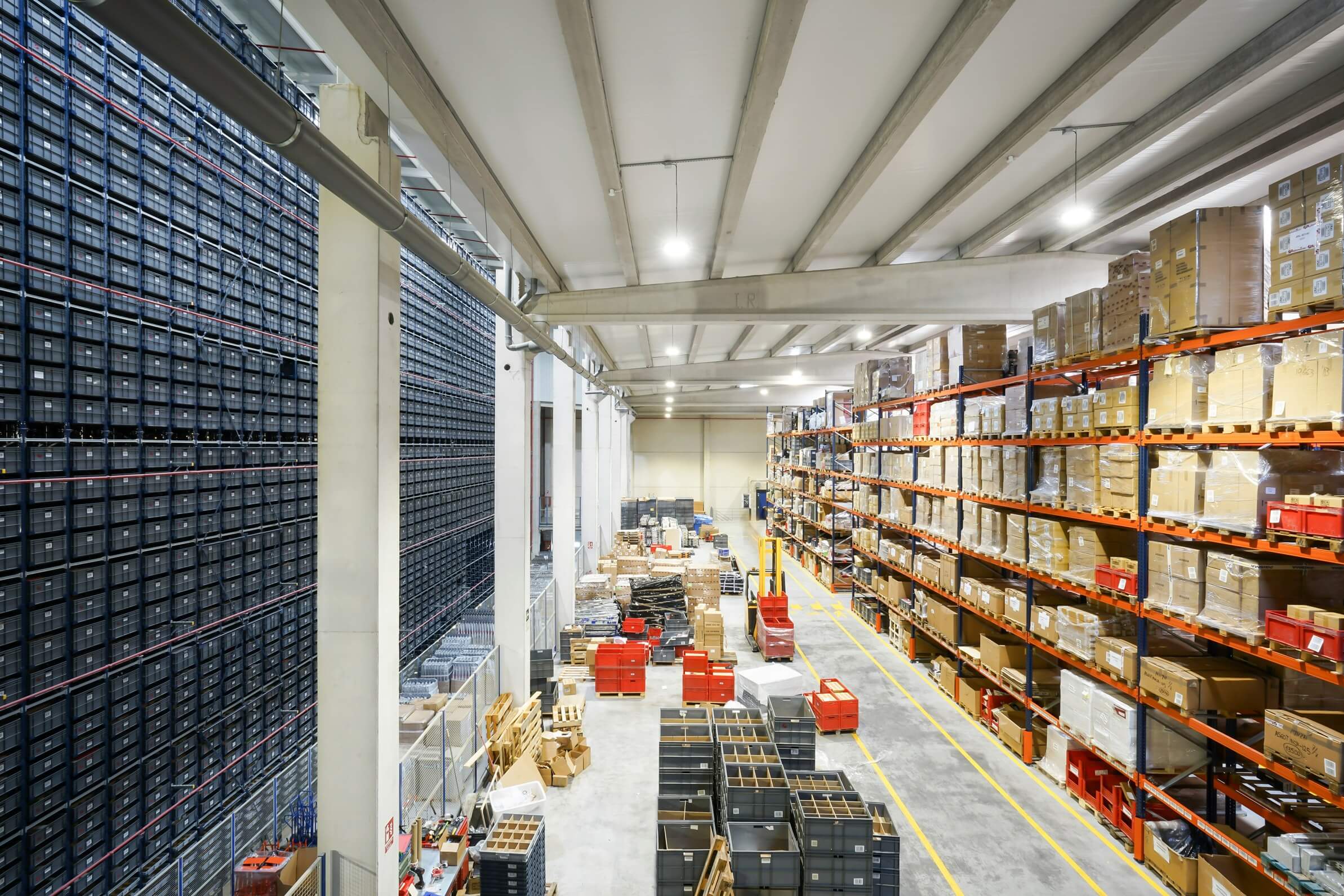
Automation built for faster e-commerce fulfilment
Improve order flow, reduce manual handling and process more orders with the space and workforce you already have.
CoreConvey designs and integrates practical automation for e-commerce warehouses, fulfilment centres and 3PL operations across Europe and the UK.
When order growth starts putting pressure on the operation
E-commerce growth rarely arrives in a smooth, predictable line.
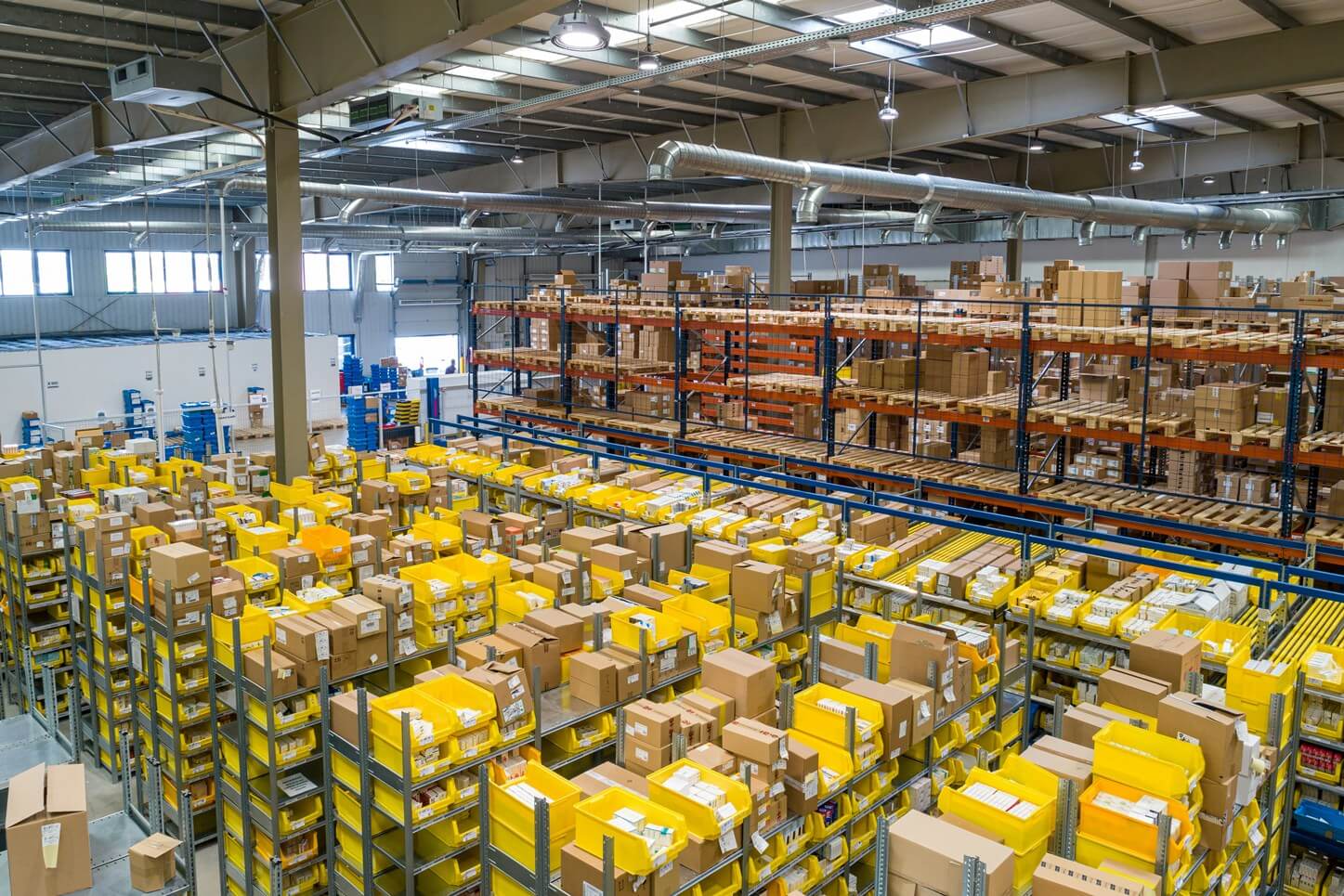
Volumes increase, product ranges expand, cut-off times move later and peak periods become harder to manage. Processes that worked at a lower volume can quickly create queues, unnecessary walking, repeated handling and dependence on temporary labour.
Peak pressure
Daily and seasonal peaks create backlogs and missed dispatch deadlines.
Labour dependency
More volume often requires more recruitment, training and supervision.
Too many touches
Every manual transfer adds time, cost and another opportunity for error.
Limited capacity
The building may have space, but the current process cannot use it efficiently.
Automation across the fulfilment journey
The strongest systems improve the complete flow of goods rather than automating one isolated machine.
What CoreConvey can automate
The system is developed around your process, item profile, available space and required throughput.
Move goods between work areas
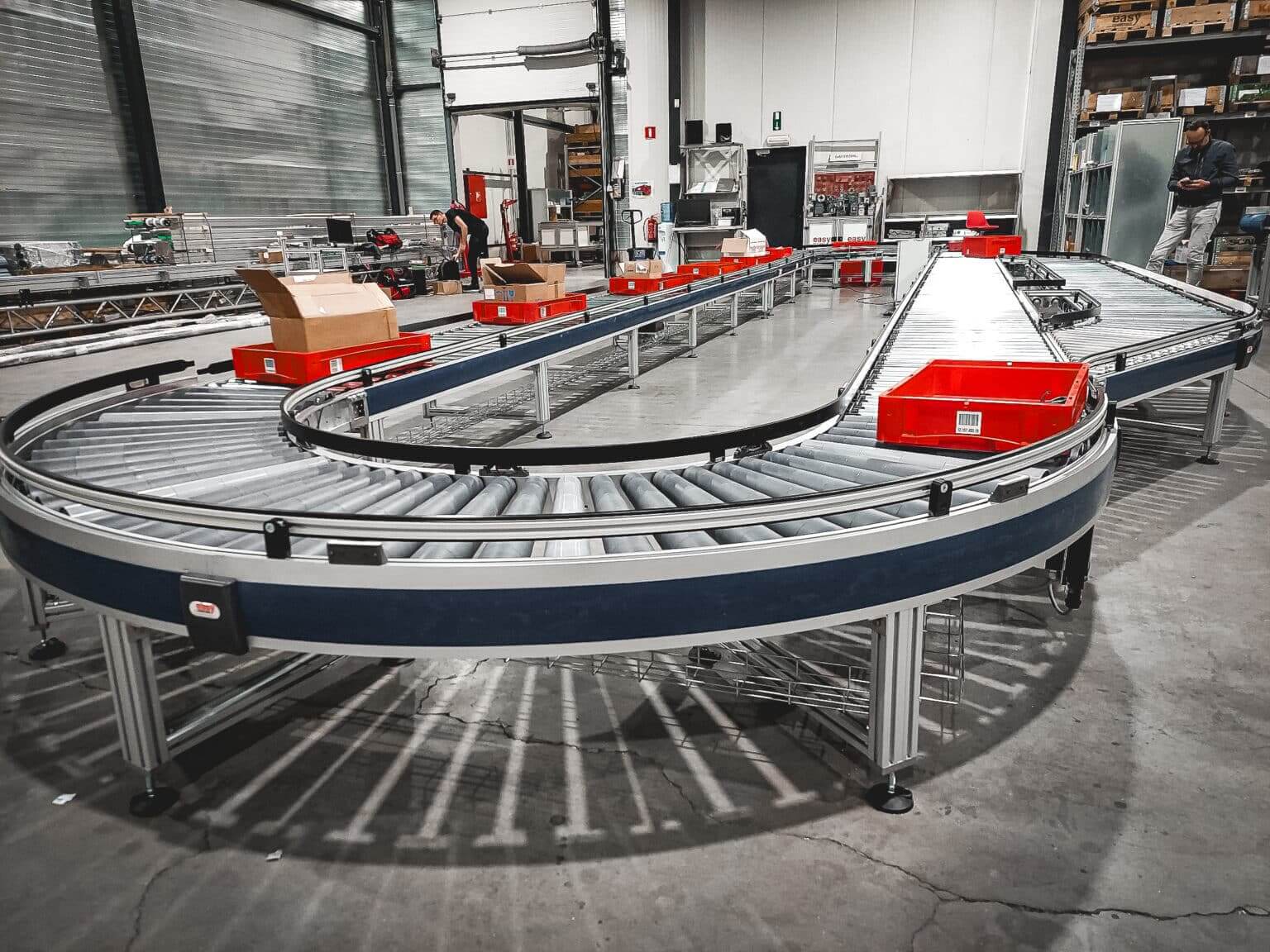
Conveyors move cartons, totes and parcels without unnecessary manual carrying.
Explore conveyor systems →
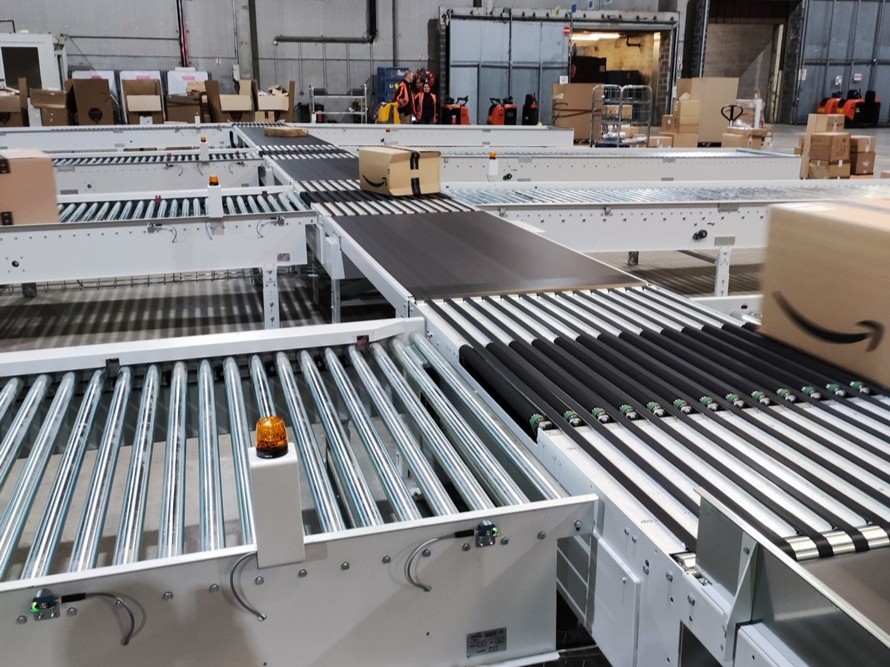
Direct each item to the right process
Controls and software route products to workstations, buffers, packing areas or dispatch lanes.
Sort packed orders automatically
Route parcels by carrier, route, service level or final destination.
Explore parcel sortation →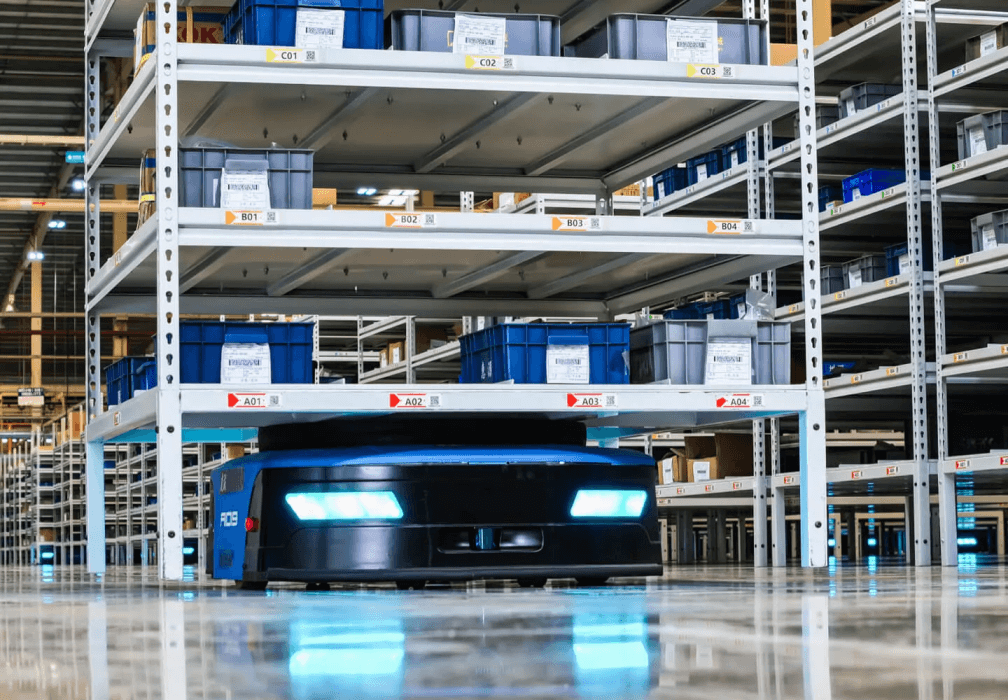
Automate flexible internal movement
Mobile robots support replenishment, tote movement, order transport and repetitive logistics.
Explore robotics and AMRs →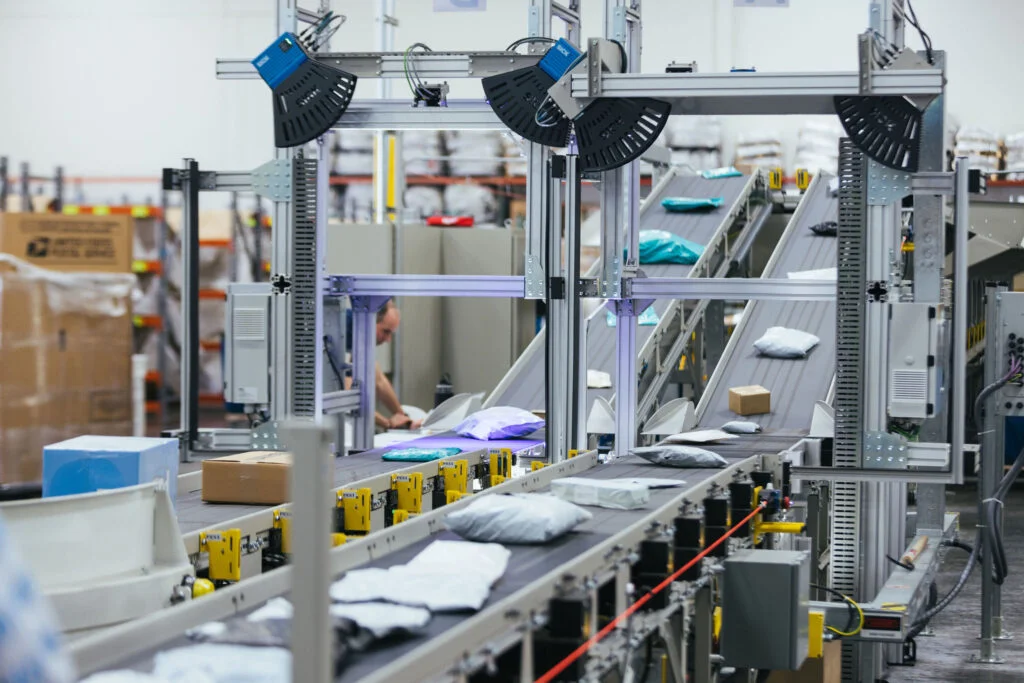
Know what is moving through the system
Barcode reading, weighing, dimensioning and image capture improve identification and visibility.
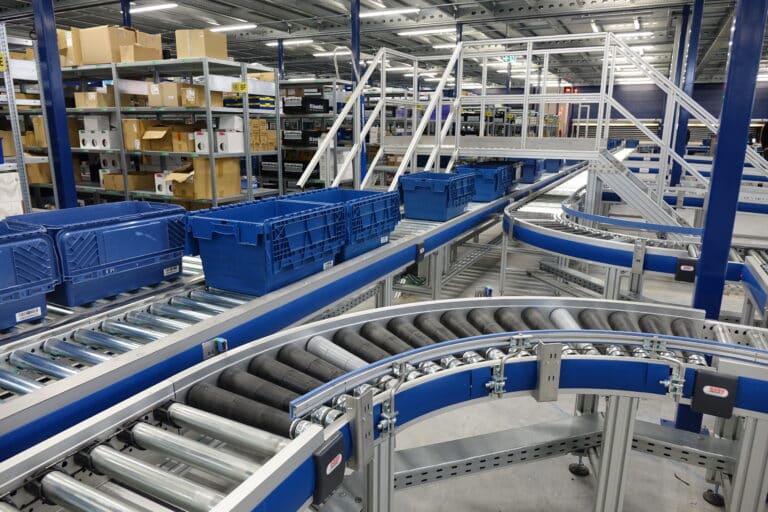
Balance uneven process flow
Controlled buffers prevent one process from blocking picking, packing, sortation or dispatch.
One system. Not a collection of disconnected machines.
Mechanical equipment, controls and operational software must work as one coordinated process.
CoreConvey can connect automation with existing warehouse, order-management and ERP platforms using REST API, FTP or another agreed integration method.
Built around operational outcomes
Reduce walking and manual transport
Move totes, cartons and parcels automatically between picking, packing and dispatch zones.
Increase packing capacity
Feed workstations consistently and remove completed orders before queues develop.
Extend order cut-off times
Process more orders inside the same dispatch window without simply adding more people.
Improve dispatch accuracy
Identify and route parcels by carrier, route, destination or service requirement.
Handle peak periods
Absorb temporary growth without proportional increases in permanent or agency labour.
Make better use of space
Use compact layouts, vertical routing and targeted automation before expanding the building.
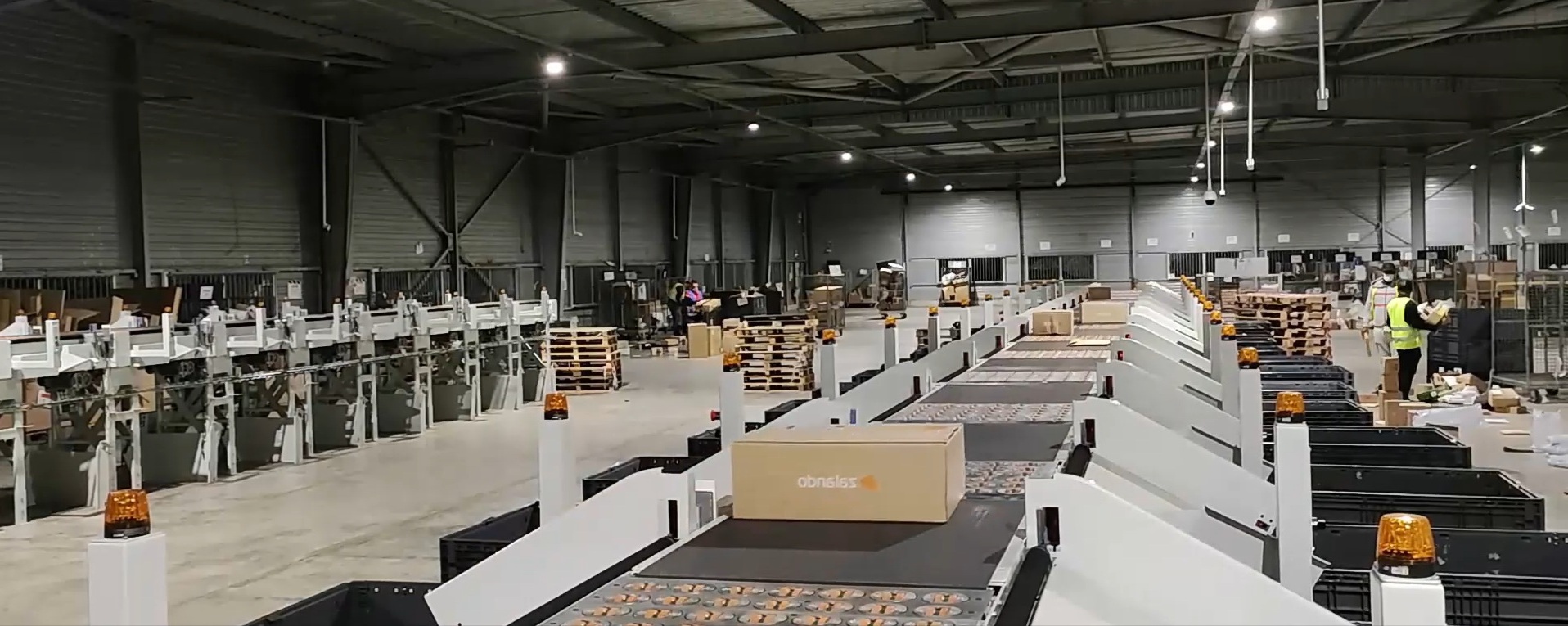
Not sure which sorter technology fits your operation?
Compare push, pop-up, swivel and cross-belt sorters by throughput, destination count and application—or use the interactive selector for an immediate starting point.
Common e-commerce automation projects
The starting point depends on where the current operation is losing time, capacity or control.
Connect picking, packing and dispatch
Replace manual trolley movement and disconnected work areas with a more controlled order flow.
- Direct-to-consumer growth
- High-SKU fulfilment
- Peak-driven operations
Scan and sort packed orders automatically
Route parcels by carrier, service level, route or destination before dispatch.
- Carrier sortation
- Route allocation
- Dispatch-lane control
Build flexible flows around changing requirements
Support multiple customer profiles, variable peaks, inspection, repacking and restocking.
- 3PL customer profiles
- Returns processing
- Scalable routing rules
Start with the bottleneck. Build from there.
Warehouse automation does not need to begin with a complete site transformation.
A focused first project can remove one immediate constraint while creating the foundation for later expansion.
Remove the immediate bottleneck
Automate one high-friction process such as packed-order transport, tote movement or carrier sortation.
Connect adjacent processes
Link picking, packing, accumulation, sortation and dispatch into a coordinated flow.
Scale capacity and control
Add destinations, equipment, software functions or operational zones as volume grows.
Test the return before selecting the equipment
The strongest projects are based on real operational data.
Labour hours, overtime, error costs, peak demand, throughput and future recruitment requirements all affect the commercial case for automation.
Illustrative dashboard only. Use the ROI calculator with your own operational figures.
How CoreConvey develops the system
Process review
We assess volumes, item profiles, workflows, constraints and growth plans.
Concept and layout
Suitable technologies are compared and developed into a practical system concept.
Controls and integration
Equipment is connected to scanning, software and the required operational processes.
Installation and commissioning
The system is installed, tested and introduced with minimal disruption.
Support and development
We support the installation and help adapt it as requirements change.

What we need to assess your fulfilment operation
Good project data helps us compare the right technologies without relying on assumptions.
Average figures are useful, but peak-period data is especially important in e-commerce.
- Average and peak orders per hour
- Average order-line profile
- Carton, tote and parcel dimensions
- Current staffing by process
- Carrier and dispatch requirements
- Existing WMS, OMS or ERP
- Building layout and available space
- Daily and seasonal peak data
- Current operational bottlenecks
- Three- to five-year growth forecast
E-commerce fulfilment automation FAQs
What parts of an e-commerce warehouse can be automated?
When does fulfilment automation make financial sense?
Can automation work with our existing WMS?
Do we need to automate the entire warehouse?
What throughput is needed before parcel sortation is worthwhile?
Can the system handle different parcel sizes?
How long does an automation project take?
Can CoreConvey support future expansion?
Process more orders without simply adding more people
Send us your current workflow, peak volumes and operational challenges. We’ll help identify where automation can create the strongest practical return.


